Blog

The Dáil calls for ostracisation of the Royal Irish Constabulary 1919

#OnThisDay 1919 At the third meeting of Dáil Éireann, President Éamon De Valera that
“..members of the police forces acting in this country as part of the forces of the British occupation and as agents of the British Government be ostracised socially by the people” .

Eoin McNeill seconded it with

“ The police in Ireland are a force of traitors and the police in Ireland are a force of perjurers”.

It was carried unanimously. Within days, RIC constables and their families were not being served in shops, greeted on the streets and left socially isolated.

First_dail_

Two RIC Constables killed in Macroom Ambush 1920

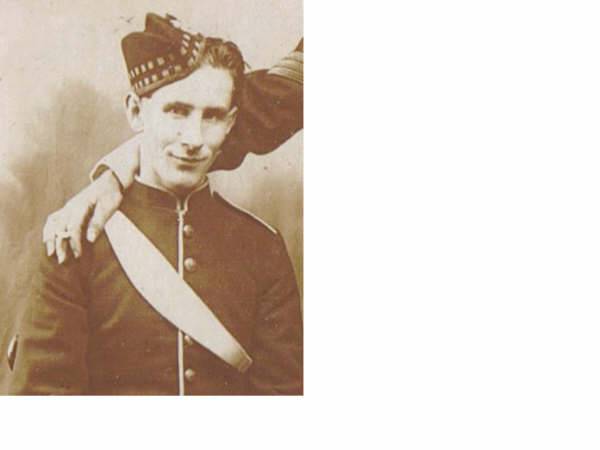
#OnThisDay 1920 Two RIC constables were ambushed & killed by IRA Volunteers as they cycled Newport Petty Sessions in Tipperary. A third officer fled the scene and returned later with reinforcements to collect the bodies. A witness stated that McCarthy shouted “No, no” before being killed.

The two men were:

William Finn aged 22 from Castlereagh, Roscommon.

Daniel McCarthy 27 (Picture) from Waterville, County Kerry.

#Ireland #History


Optimized.RIC_Daniel_McCarthy

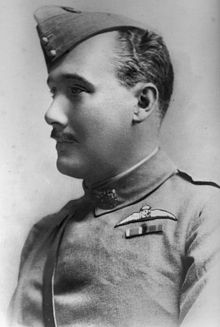
Lt-Colonel Charles Burke DSO KIA 1917

#OnThisDay 1917 Lt-Colonel Charles Burke DSO, from Armagh was a Boer War vet who later became a pioneer of military aviation was killed by a shell on the first day of the Battle of Arras. Burke had served with the Royal Dublin Fusiliers, then with the Royal Irish Regiment but then joined the British Army’s Balloon School. His love of aviation took off (excuse the pun). He wrote the first article on air power for the Royal United Services Institute and wrote the 29 Rules for flying. Burke eventually became the first Commanding Officer for No.2 Wing of the Royal Flying Corps.
He transferred back to his old unit, the Royal Irish Regiment in summer of 1916 when they were drastically short on officers.  He was commanding the 1Bn East Lancashire Regiment at the time of his death.

#Ireland #History #WW1 

220px-Charles_James_Burke

The SS Aud leaves port bound for Ireland 1916

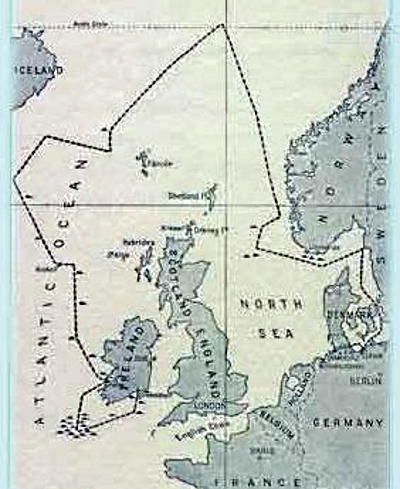
#OnThisDay 1916 The SS Aud (Really the SS Libau) left Lubeck, Germany on its ill-fated journey for Ireland to supply the Irish Volunteers with arms for the Rising. In its cargo hold it had in the region of 10,000 1891 Moisin-Nagant rifles, 10 machine guns and half a million rounds of ammo for the weapons. This is an approximate map of their days long journey to avoid detection. The Aud was intercepted by HMS Bluebell of the Royal Navy on the southern Irish coast & escorted to Cork harbour. Just outside the harbour the German commander, Captain Spindler scuttled the ship to avoid the weapons falling into British hands. He and the crew became prisoners of war. 

#Ireland #History

Route of ship Aud 400

The American Civil War ends 1865

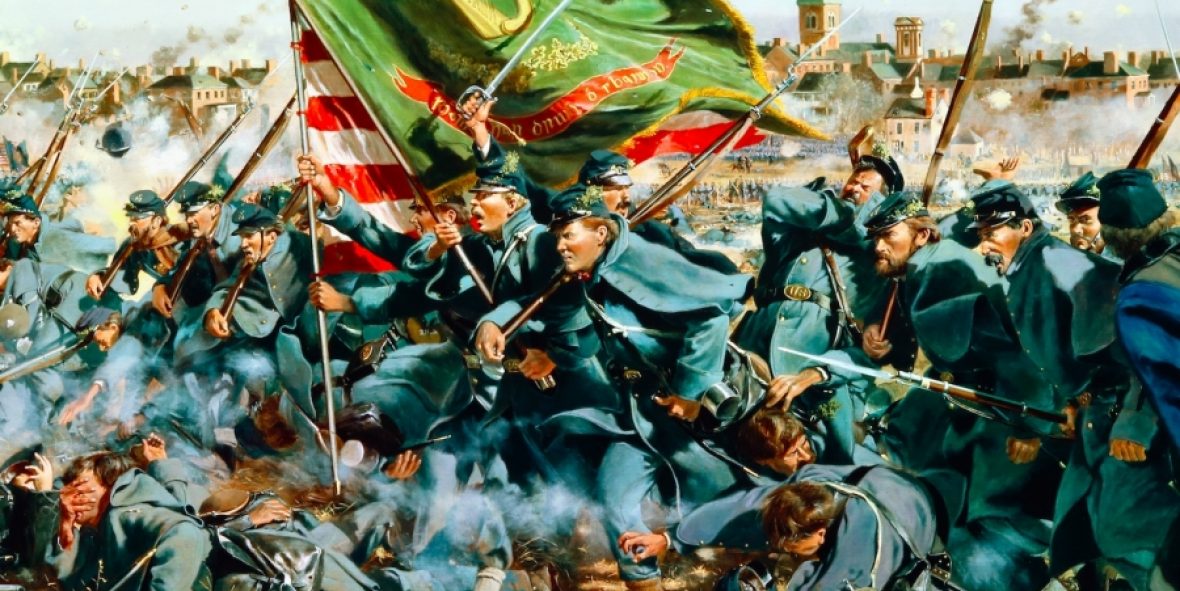
#OnThisDay 1865 General Lee surrendered to General Grant ending the American Civil War. Roughly 200,000 Irish born men served in this war with that number probably reaching 250,000 if including Irish-Americans. The war’s first deaths are two Irish men at Fort Sumter (Private Daniel Hough died during the 100 gun salute after the Fort surrendered not during the initial attack. The cannon he was loading exploded killing him outright & another Irish man who died days later.) & Brigadier General Tom Smyth from Ballyhooly, Cork was the last General to die in the conflict. He passed away the morning General Lee surrendered, having been mortally wounded by a sniper days earlier.

For more on the Irish involvement in the American Civil War listen to the interview I had with Damian Shiels here:
https://podcasts.apple.com/us/podcast/the-irish-at-war/id1365677620


ACW End