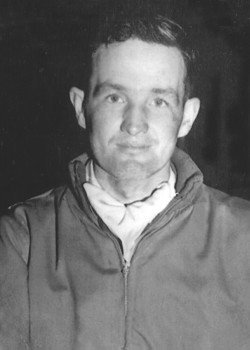
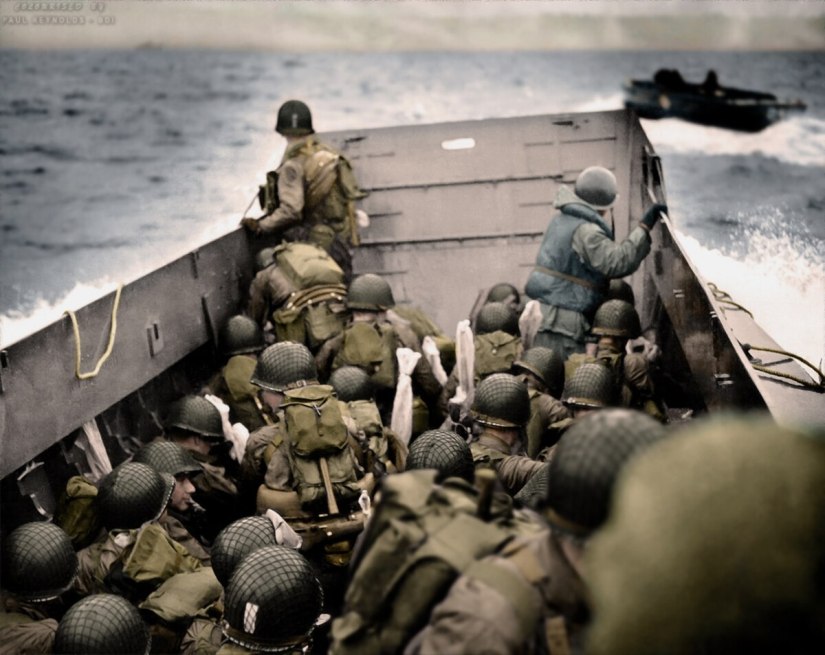
#OnThisDay 1944 Major Richard Sullivan XO (Executive Officer) 5Bn US Rangers, from Massachusetts won the DSO for his actions on Omaha beach. He organised the attack off the beach, pushing 4 miles inland, relieved the Rangers at Pointe du Hoc & took the Maisy battery.
His citation reads:
Completely disregarding his own safety, Major Sullivan personally directed a successful landing operation and lead his men across the beach covered with machine gun, artillery and rocket fire. After reorganizing his men he immediately resumed his duties as Battalion Executive Officer and was placed in command of two Ranger companies which fought their way inland against fierce opposition to join and relieve the Ranger detachment on Pointe du Hoc. After laying communications through the enemy lines under cover of darkness, Major Sullivan directed the Rangers’ progress across country to Grandcamp and Maisy. In cooperation with United States Infantry an attack was begun on the Maisy battery. When certain elements were temporarily halted by artillery fire Major Sullivan, who had been wounded at Maisy, calmly and courageously rallied his officers and men, ordered a renewal of the attack, and instead of bypassing the resistance, advanced over heavily mined terrain to capture the Maisy battery with a loss of only fifteen men. Eighty-six prisoners and several large caliber artillery pieces in concrete bunkers were taken. Attacks by Major Sullivan’s command contributed greatly to the success of the entire Corps operations. By his intrepid direction, heroic leadership and superior professional ability, Major Sullivan set an inspiring example to his command. His gallant leadership, personal bravery and zealous devotion to duty exemplify the highest traditions of the military forces of the United States and reflect great credit upon himself and the United States Army.

 The Irish at War