Blog

Private George Duff Chalmers captured, executed & buried in bog 1921

#OnThisDay 1921 Royal Scots Private George Duff Chalmers was captured, executed & secretly buried by the IRA in Moy bog in west Clare. The 2nd Royal Scots had been coming back from serving a court summons near Moughna, Lahinch and 19 year old Chalmers got off the truck at Lavoureen to go see a 15 year old girl, Louisa Curtin, that he was courting.
Volunteer Anthony Malone gave this account in his witness statement to the Bureau:

A short time after leaving the lorry Chalmers was captured by two members of the I.R.A. During his interrogation Chalmers refused to give his name. He was subsequently court-martialled by the I.R.A. and sentenced to death. According to the I.R.A. report of the incident Chalmers was executed on the suspicion of being on a mission to gather military intelligence. “A Private of the Royal Scots who dropped off one of four lorries passing through C. Coy area was captured by two riflemen after a chase. The Bn. Staff being satisfied that his object in leaving the lorry was to seek information had him executed on the same date, after getting all the information they could from him. He did not give information of importance.”

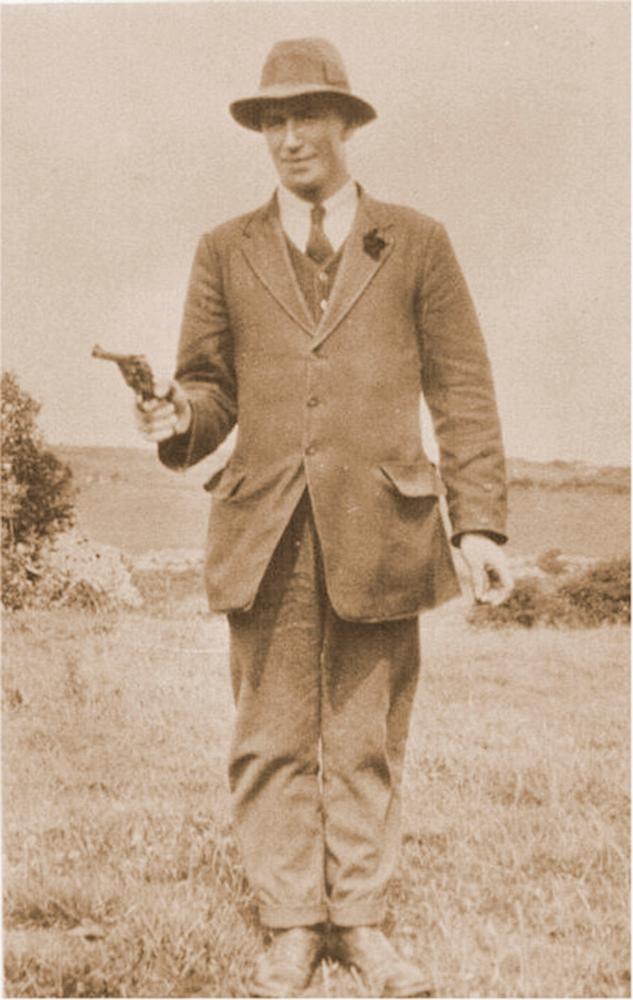
Commandant Seamus Hennessy (pic) oversaw the execution and burial.
Chalmers’ body stayed there in Moy Bog for 97 years until he was reburied in Grangegorman in 2018.

seamus hennessy Read-Only

The Battle of Trevilian Station 1864

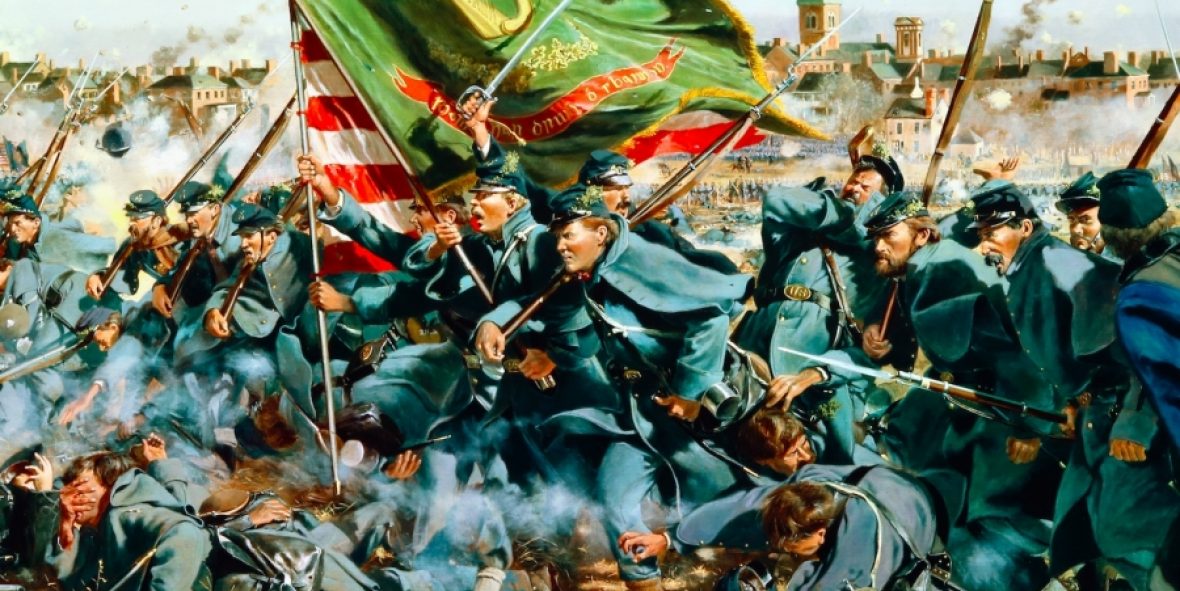
#OnThisDay 1864 Lieut. Gen. Ulysses S. Grant ordered Maj. Gen. Philip Sheridan, whose parents were from Cavan, his cavalry commander, to embark on a raid westward from Grant’s army near Cold Harbor. Sheridan’s tasks were to draw Confederate attention away from Grant’s upcoming movement south, destroy railroads connecting the Shenandoah Valley with the Confederate armies, and join up with Brig. Gen. David Hunter in Charlottesville. Near Trevilian Station, On June 11th Sheridan clashed with Confederate cavalry under Maj. Gens. Wade Hampton and Fitzhugh Lee. Brig. Gen. George Custer briefly captured Hampton’s supply train. Confederate brigades soon surrounded Custer’s men, and only the arrival of other troopers saved Custer and allowed the capture of Trevilian Station. The next morning, after damaging several miles of railroad, the Union cavalry made several assaults against a fortified Confederate line, but each attack was repulsed. The Union had suffered over 1500 casualties to the Confederate’s 800.

Ultimately, Sheridan was forced to withdraw. He had succeeded in drawing attention away from Grant, but failed to substantially interrupt supply lines or join up with Hunter. The battle at Trevilian Station was the largest all-cavalry battle of the Civil War.

charge-at-trevilian-station-collectible-limited-edition-civil-war-prints-by-mort-kunstler-2

Silken Thomas Renounces Allegiance to King Henry Viii 1534

#OnThisDay 1534 Upon hearing false rumours that his father had been executed in the Tower of London, Silken Thomas 10th Earl of Kildare publicly renounced his allegiance to King Henry VIII, his cousin, by throwing his sword down at a King’s Council at St. Mary’s Abbey in Dublin. Thomas declared;
I am none of Henrie his deputie, I am his fo.”

The chancellor, with tears in his eyes pleaded with him not to be so rash but Thomas retorted; “I will take the market as it ryseth, and will choose rather to die with valiantnesse and libertie, than to live under King Henry in bondage and villanie’.
No sooner had Silken Thomas started his rebellion against Henry than the truth emerged: his father had not been beheaded. But it was too late now. Ultimately, Thomas, his uncles and father were to be beheaded in the Tower of London.

PS: Silken Thomas was named so because his soldiers/ galloglas wore silk fringes on their helmets.
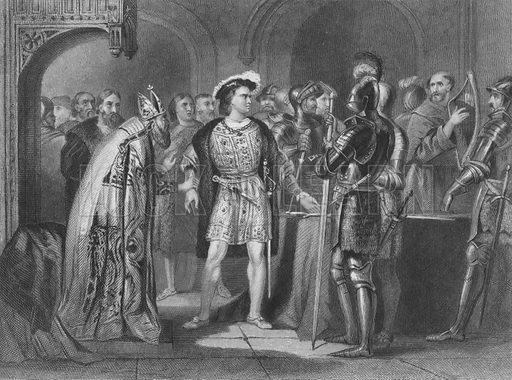
Thomas FitzGerald, 10th Earl of Kildare, renouncing his allegiance to Henry VIII of England

Frank Ryan Died 1944

#OnThisDay 1944 Frank Ryan, IRA republican died in Nazi Germany. Ryan, a student in UCD from Limerick fought in the Irish Civil War with the Anti-Treaty IRA where in 1929 he was elected to the Army Executive.
Ryan joined the International Brigades during the Spanish Civil Wars and supported the Anti-Fascist side. Captured and imprisoned, he was handed over to German intelligence, the Abwehr in 1940, where questions remain over his exact role there.
Some say he actively supported the Nazi regime and the possibility of a German invasion into Ireland, others say he didn’t support the Nazis or their Operation Green plan but just wanted to get back to Ireland.

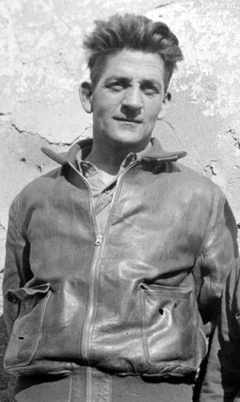
Frank Ryan