Blog

The Battle of Gaines Mill 1862

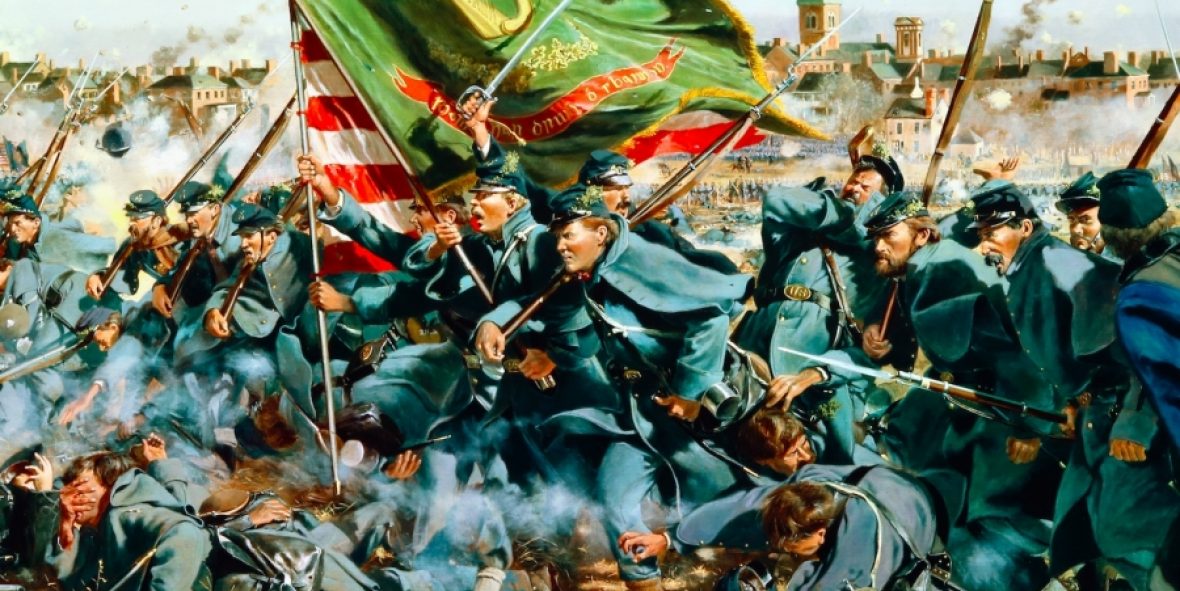
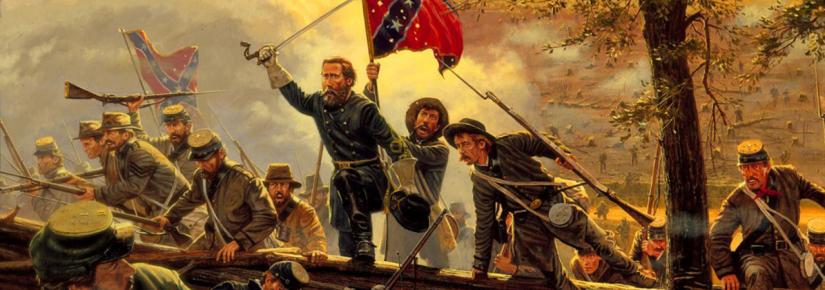
#OnThisDay 1862 The Irish men of the 9th Massachusetts Reg. were attacked & repulsed several waves made by Irish men in 1st South Carolina Reg. at the Battle of Gaines Mills. 1st S.C. Company K were called the ‘Irish Volunteers’. The 9th fought a strong rear guard action and saved by the Irish Brigade,  Seeing the green flags of the Irish Brigade coming to the 9th’s aid, Lt. Col. Patrick Guiney, shook the hand of General T.F. Meagher and exclaimed,

Thank God, we are saved.”

The Union army was pushed off the field and the Confederates won the day.

Gaines' Mill Battle Hero

Ambush at Cnocán Mór, Galway 1921

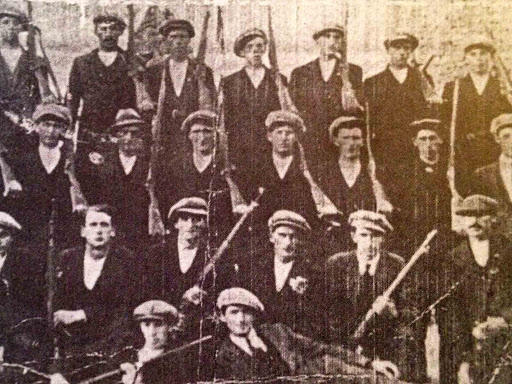
#OnThisDay 1921 A joint RIC & Black and Tans patrol was ambushed by the East Galway Flying Column led by Thomas Dunleavy at Cnocán Mor in Galway. Sgt James Murren & Constable Edgar Day (a Black and Tan from Nottingham) were killed. Sgt Murren, from Mayo, was supposed to have retired on pension a week before but due to some administrative delay or error, his papers had not arrived yet.

GALWAY IRA

JFK Visits Ireland 1963

#OnThisDay 1963 John Fitzgerald Kennedy the 35th President of the United States & WW2 veteran visited Ireland. He started with a visit to the ancestral home of his great grandfather in Dunganstown, Wexford. Though this was not his first time there, ‘sixteen years earlier, during a three-week trip to Ireland, Kennedy had visited the town’.
J.F.K. described his Irish trip as;

The best four days of my life‘.

‘Hours before he left Ireland, he stood in the main square of Galway city and told the crowd:

If the day was clear enough, and if you went down to the bay, and you looked west, and your sight was good enough, you would see Boston, Massachusetts. Some of us who came on this trip… feel ourselves at home and not … in a strange country, but feel ourselves among neighbours, even though we are separated by generations, by time, and by thousands of miles.” ‘

Five months later John Fitzgerald Kennedy was assassinated in Dallas Texas.

diarmaid-ferriter-the-irish-debt-to-john-f-kennedy

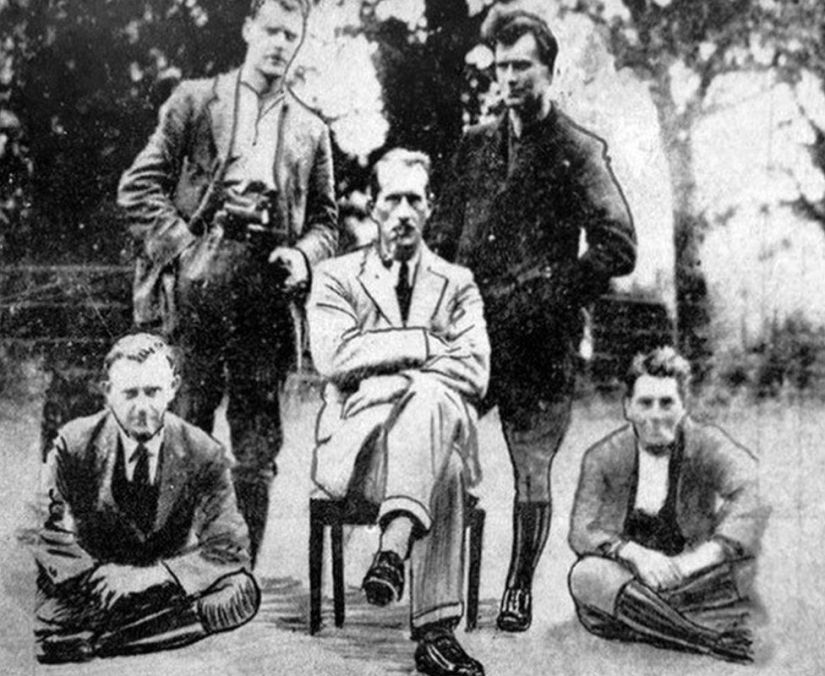
Brigadier General Cuthbert Lucas was captured by the IRA, Cork 1920

#OnThisDay 1920 Brigadier General Cuthbert Lucas was captured by the IRA, led by Liam Lynch, when returning from a fishing trip on the Blackwater near Fermoy, Cork. Lucas along with Colonels Tyrell and Danford were caught by the armed masked men. The three British officers planned their escape by speaking to each other in Arabic. When they made a break for it from the Model T car, Danford was wounded so the volunteers freed Tyrell to attend to Danford’s wounds. Both Colonels were subsequently taken to a military hospital at Fermoy.

Lucas was kept in West Limerick and East Clare in captivity for four weeks in Clare moving from house to house. His capture left the Secretary of State for War Winston Churchillpurple with rage”, but Churchill needn’t have been so worried. While in captivity Lucas played tennis and croquet, he played cards till 2am some nights where he bewildered the IRA men with his dealing abilities despite having lost two fingers in the Great War. Lucas also demanded his officer’s ration of a bottle of whiskey a day which he shared with his captors “which I hated like hell to pay for” said one of his captors, Michael Brennan. Lucas got on very well with the IRA & even helped save the hay in the fields. His wife gave birth early when she found out he was captured but letters were allowed to pass between the two freely. Lucas’s wife Poppy, would address them to ‘THE IRA’.
Eventually, for both financial (Lucas bet the IRA penniless in bridge and poker and the bottle of whiskey a day was draining their finances quickly) and military reasons (with so many men tied down guarding the general, nothing else could be done in the area unless risking him being found by the Crown forces), so the IRA loosened security around the general and let him ‘escape’. One could argue that the propaganda of capturing the general had been achieved and nothing more could come of it.

In fairness to Lucas, he never gave away the locations of his imprisonment so they had probably had some arrangement.

Lucas

The Kilcumney Massacre 1798

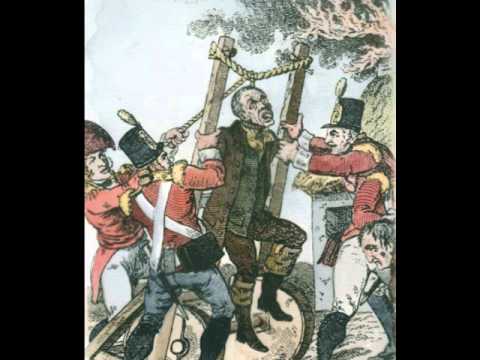
#OnThisDay 1798 The United Irishmen were defeated at the Battle of Kilcumney Hill, Carlow. Fr. John Murphy barely managed to escape with his life. Fr Murphy and his bodyguard, James Gallagher, became separated from the main surviving group (fragments of which fought for six more years from the Killoughrim woods near Enniscorthy and from Wicklow mountains. Fr Murphy decided to head for the safety of a friend’s house in Tullow, County Carlow, when the path cleared. They were sheltered by friends and strangers – one Protestant woman, asked by searching yeomen if any strangers had passed, answered

“No strangers passed here today”;
When she was later questioned about why she had not said Murphy and Gallagher had not passed, she explained that they had not – because they were still in her house when she was questioned. Murphy was captured days later.

Crown forces under Sir Charles Asgill killed many local men, women, children & burned houses after the battle. Accounts range from rom terrible to horrific.

‘They murdered Andrew MacKesy and his son, burned their house and left two children both deaf and dumb without a protector.

At Ballinasillogue they murdered eighteen of the inhabitants and of these were five brothers named Neill all living in the same house with a widow, their mother and two female children.

They murdered also in this townland Peter Kinchela, who at the time, was surrounded by seven small children crying in vain for mercy.

In Coshill Patrick Fitzpatrick and his wife Margaret fell dead in each others’ arms: the same bullet ended their lives. The house of this ill-fate couple was set fire to over the heads of their five children and one of the innocent creatures ran into a neighbour’s house who had escaped by hiding himself, crying “My Daddy is killed; my Mammy is killed, and the pigs are drinking their blood.”

About one hundred and forty persons were slaughtered, leaving perhaps four or five hundred unprotected orphans.

Kilcummey Hill Massacre